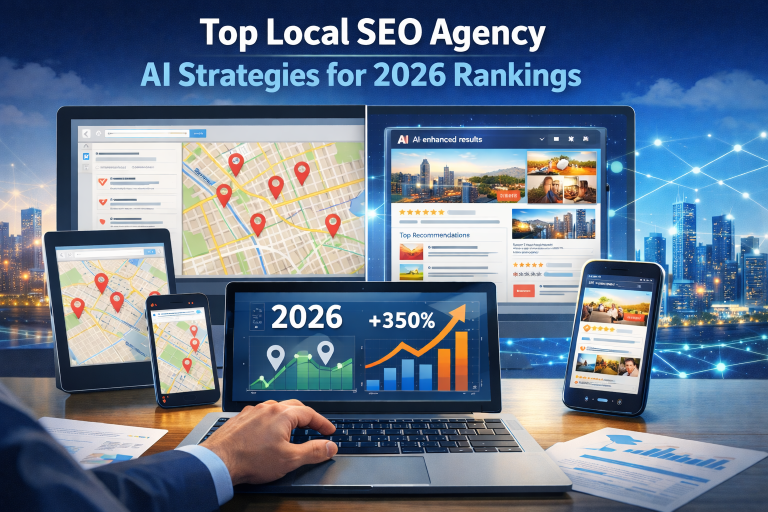
The local search landscape is undergoing a seismic shift as AI-driven overviews fundamentally reshape how businesses achieve visibility in 2026. A forward-thinking local SEO agency is already adapting its strategies to harness these changes, transforming traditional ranking approaches into AI-optimised systems that deliver unprecedented local search dominance. The emergence of generative AI has created a dual-purpose challenge: optimising for both human searchers and AI systems that increasingly influence what information gets surfaced first.
As businesses scramble to maintain their competitive edge, those partnering with experienced agencies are discovering that success requires a complete strategic overhaul. The old playbook of keyword stuffing and basic citation building has become obsolete, replaced by sophisticated AI-first methodologies that prioritise trust signals, content depth and multi-platform visibility. This transformation represents both the greatest challenge and the most significant opportunity in local search marketing’s evolution.
The AI Revolution Transforming Local Search in 2026
How AI Overviews Redefine Local Search Visibility
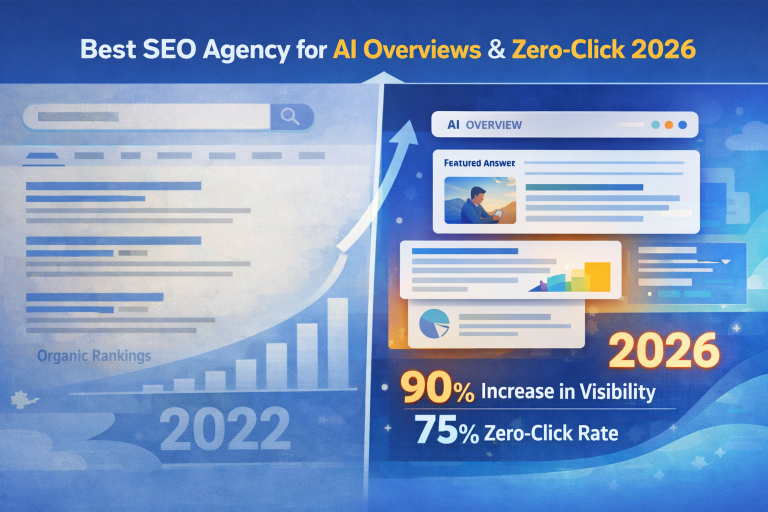
AI overviews have fundamentally altered how local search results are displayed, moving beyond traditional blue links to provide comprehensive, contextualised answers directly within search results. These AI-generated summaries pull information from multiple sources to create authoritative overviews that address user queries before they even click through to individual websites. For local businesses, this means that visibility now depends on being selected as a trusted source for AI systems rather than simply ranking highly in organic results.
The most successful local SEO agency approaches recognise that AI overviews interpret relevance, proximity and trust signals through sophisticated algorithms that evaluate content quality, user engagement patterns and business credibility across multiple touchpoints. Unlike traditional ranking factors that focused primarily on technical SEO elements, AI systems now analyse conversational intent, contextual relevance and the depth of information provided. This shift means businesses must create content that answers specific local questions comprehensively whilst maintaining the structural clarity that AI systems require for accurate information extraction.
The Strategic Shift from Traditional SEO to AI-First Approaches
The evolution from traditional SEO to AI-first approaches represents a fundamental change in how agencies approach local search optimisation. Modern strategies focus on building cohesive, trustworthy digital footprints that serve dual purposes: driving clicks from human searchers and supplying high-quality inputs for AI agents. This dual responsibility requires agencies to balance user experience optimisation with the structural requirements that enable AI systems to understand and recommend business information accurately.
Forward-thinking agencies now prioritise answer-focused content strategies that address common local questions about services offered, service areas, and pricing transparency. Rather than gaming algorithms with keyword manipulation, successful approaches focus on establishing genuine authority through comprehensive, helpful content that AI systems can confidently extract and present to users. This methodology ensures businesses remain visible as AI overviews become increasingly prominent in local search results.
Maximising Google Business Profile Performance for AI Systems
Why GBP Carries 32% Weight in 2026 Rankings
Google Business Profile optimisation has become even more critical in 2026, with current data indicating that GBP factors account for approximately 32% of local ranking weight in AI-driven search results. This increased importance stems from AI systems’ reliance on structured, verified business information that can be confidently presented to users seeking local solutions. The profile serves as a primary data source for AI overviews, making comprehensive optimisation essential for local search dominance.
The significant weighting reflects AI systems’ preference for authoritative, structured data sources that provide consistent information across multiple touchpoints. Businesses with thoroughly optimised profiles benefit from enhanced visibility in AI overviews, near me searches and voice-activated queries where AI systems prioritise verified business information. Leadtap recognises that modern local SEO success hinges on treating GBP as a comprehensive business hub rather than a simple directory listing.
Optimising Profile Elements for AI Interpretation
Effective GBP optimisation for AI systems requires attention to specific elements that enhance machine interpretation and user experience signals. Critical components include detailed business descriptions that incorporate natural language patterns, comprehensive service listings that address common user questions, and regular posting schedules that demonstrate active business engagement. AI systems particularly value businesses that maintain current information, respond promptly to customer enquiries, and provide transparent pricing information where applicable.
Review management has become increasingly sophisticated, with AI systems evaluating not just review quantity and ratings but also response quality, sentiment patterns and resolution effectiveness. Businesses that demonstrate consistent customer service excellence through their review interactions receive preferential treatment in AI-driven recommendations. Additionally, photo uploads, regular updates and detailed service descriptions help AI systems understand business offerings and match them accurately with user queries.
Content Strategies That Dominate AI-Driven Local Search
Creating Content Depth That AI Systems Favour
AI systems consistently favour content that demonstrates comprehensive expertise and addresses user questions thoroughly. The most effective strategies prioritise depth over breadth, creating local guides, problem-solving pieces, conversational FAQs and long-form authority articles that establish businesses as trusted local resources. This approach aligns with AI systems’ preference for sources that can provide complete, accurate answers rather than superficial information.
Successful content strategies focus on addressing the specific questions local customers ask: detailed service explanations, transparent pricing discussions, service area coverage, and problem-solving approaches. Conversational FAQ formats perform particularly well because they mirror the natural language patterns that AI systems use to understand and respond to user queries. Businesses that invest in creating comprehensive, helpful content find themselves recommended more frequently in AI overviews and voice search results.
Structural Optimisation for AI Extraction Accuracy
AI systems rely heavily on visual structure and logical heading hierarchies to understand and extract content accurately. Clean formatting, strategic use of headers and well-organised information architecture significantly improve the likelihood of content being selected for AI overviews. Proper structural optimisation ensures that AI systems can identify key information, understand context and present accurate summaries to users seeking local solutions.
The most effective approaches utilise logical heading progressions, bullet points for key information and clear section divisions that help AI systems parse content efficiently. Businesses that maintain consistent formatting standards and structure their content with AI interpretation in mind achieve higher visibility rates in AI-driven search results. This structural clarity becomes even more important as AI systems become more sophisticated in their content evaluation processes.
Multi-Platform AI Visibility Strategy
Monitoring Business Presence Across AI Platforms
Modern local SEO requires monitoring business visibility across multiple AI platforms, including ChatGPT, Google AI Overviews, Gemini and emerging AI search interfaces. Each platform interprets and presents local business information differently, requiring tailored approaches that optimise for various AI interpretation methods. Comprehensive visibility strategies ensure businesses maintain consistent presence across the expanding ecosystem of AI-powered search tools.
Effective monitoring involves regular queries across different platforms to understand how business information is being presented and identify opportunities for improvement. Generative engine optimisation (GEO) for local businesses requires understanding each platform’s preferences and adjusting content strategies accordingly. Leadtap implements systematic monitoring approaches that track multi-platform performance and adapt strategies based on AI platform evolution.
Implementing Local-Focused Generative Engine Optimisation
Generative engine optimisation represents a new frontier in local search, requiring strategies specifically designed for AI systems that generate rather than simply retrieve information. This approach focuses on providing AI systems with the structured, comprehensive information they need to create accurate, helpful responses about local businesses. Effective GEO strategies consider how AI systems synthesise information from multiple sources to create coherent overviews.
Local-focused GEO emphasises proximity relevance, service-specific expertise and community connection in ways that resonate with AI interpretation patterns. Businesses that successfully implement GEO strategies find their information featured more prominently in AI-generated responses and recommendations. This approach requires ongoing adaptation as AI systems evolve and develop more sophisticated understanding of local business contexts.
Building Trustworthy Digital Footprints for AI Recognition
Establishing Authority Signals Across Digital Touchpoints
AI systems evaluate business trustworthiness through comprehensive analysis of digital footprints across multiple touchpoints, making consistent authority building essential for local search success. These systems assess factors including local citations accuracy, review patterns, website authority and social media presence to determine business credibility. Building trustworthy digital footprints requires coordinated efforts across all online presence elements.
Successful approaches focus on maintaining consistent NAP data across all platforms, encouraging authentic customer reviews, and demonstrating expertise through regular, helpful content publication. AI systems particularly value businesses that show consistent engagement with their local communities and provide reliable, accurate information across all digital touchpoints. This comprehensive approach to trust building ensures businesses receive preferential treatment in AI-driven local search results.
Review Management and Trust Signal Optimisation
Advanced review management has become crucial for AI recognition, with systems evaluating not just review quantities but also response quality, resolution effectiveness and overall customer satisfaction patterns. Modern approaches focus on encouraging genuine customer feedback whilst demonstrating excellent customer service through thoughtful, helpful responses. AI systems recognise businesses that consistently address customer concerns and maintain high satisfaction levels.
Trust signal optimisation extends beyond reviews to include website security, professional presentation, transparent business practices and community involvement. Businesses that demonstrate reliability and expertise across multiple dimensions achieve higher trust scores with AI systems, resulting in improved visibility in AI overviews and recommendations. This holistic approach to trust building creates sustainable competitive advantages in AI-driven local search environments.
Measuring Success in the AI-Driven Local Search Era
Key Performance Indicators for 2026 Local SEO
Traditional ranking metrics have evolved to include AI-specific performance indicators that better reflect modern local search success. Key metrics now include AI overview appearances, voice search visibility, multi-platform presence tracking and conversion rates from AI-driven traffic sources. These advanced metrics provide insights into how effectively businesses are leveraging AI-driven search opportunities.
Modern measurement approaches track brand mention frequency in AI responses, accuracy of AI-presented business information, and user engagement patterns from AI-driven traffic. Businesses that monitor these advanced metrics can identify optimisation opportunities and adjust strategies based on AI platform performance. This data-driven approach ensures continuous improvement in AI-driven local search visibility.
Tools and Techniques for AI Visibility Tracking
Effective AI visibility tracking requires sophisticated monitoring tools and techniques that can assess performance across multiple AI platforms and search interfaces. Modern approaches combine traditional SEO metrics with AI-specific tracking methods that provide comprehensive visibility insights. These tools help businesses understand their AI-driven search performance and identify improvement opportunities.
Successful tracking strategies monitor AI overview appearances, voice search performance and multi-platform visibility patterns to provide complete performance pictures. Regular assessment of these metrics enables businesses to adapt their strategies based on AI platform evolution and maintain competitive advantages in local search. This systematic approach to measurement ensures optimal ROI from AI-optimised local SEO investments.
The local SEO agencies that thrive in 2026 are those embracing AI-driven strategies today, positioning themselves as trusted authorities whilst optimising for both human users and AI systems. By implementing these comprehensive AI-optimised approaches, businesses can achieve sustainable local search dominance in an increasingly competitive digital landscape. Success requires ongoing adaptation, sophisticated strategy implementation and commitment to providing genuine value that AI systems can confidently recommend to local searchers. For businesses ready to embrace this transformation, partnering with experienced local SEO services providers ensures access to the expertise and resources necessary for AI-driven local search success.
Sources
- Source 1: Google Business Profile carries 32% weight in local rankings – Rocks Digital 2026 Organic Local Ranking Factors
- Source 2: AI reshapes local SEO prioritising GBP, user experience signals, reviews, and content depth – Rocks Digital / Boulder SEO Marketing
- Source 3: Local-focused GEO platforms monitoring visibility across ChatGPT, Google AI Overviews, Gemini, Grok – Local Falcon